
the-best-rc-battery-charger-in-2021-gens-ace-imars-3

The Best RC Battery Charger in 2021-GENS ACE IMARS 3

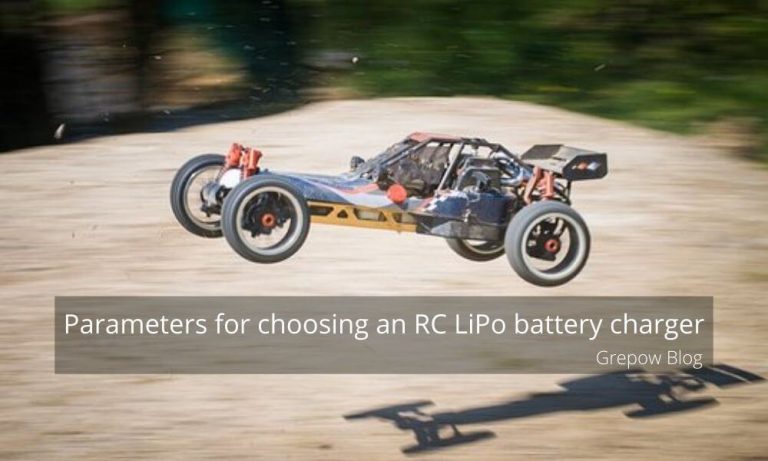
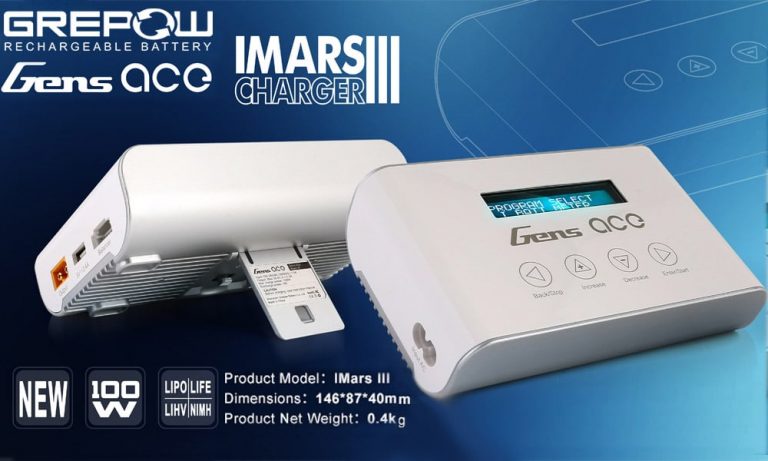
GENS ACE IMARS 3 RC Battery Charger Introduction Three years after the launch of the IMARS 2 charger, we finally launched the third-generation IMARS 3 smart RC battery charger with both appearance and performance. The new generation GENS ACE IMARS 3 RC charger has a built-in high-power power supply directly in the fuselage. There is no need

uav-and-vtol-battery-weight-and-power-optimization

UAV and VTOL Battery Weight and Power Optimization

The latest technology frontier in aviation is the development of electric vertical take-off and landing ( VTOL / eVTOL ) aircraft. These futuristic vehicles operate under electric power and as well as being able to hover, they can take off and land vertically. The electric drive makes them fast and maneuverable. Proposed areas of application include air

why-does-low-temperature-affect-the-battery?-|-battery-monday

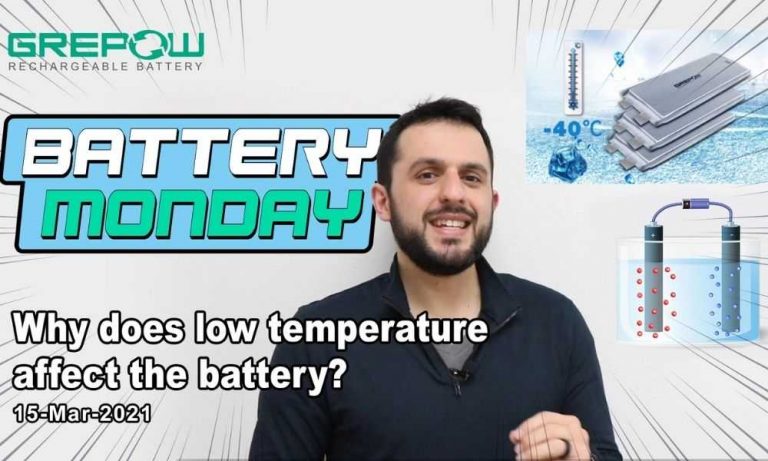
Why does low temperature affect the battery? | Battery Monday

It is well known that a battery performs poorly at low temperatures, which directly results in limitations during operation. Today’s Battery Monday Grepow will introduce the three major factors behind how, and why low temperature plays such a large role in a battery’s performance. Chemical Reaction Rate At low temperatures, the intercalation of lithium ions

battery-technology:-rolling-vs-stacking-|-battery-monday

Battery technology: Rolling VS Stacking | Battery Monday

There are two battery production processes: rolling and stacking. Today’s Battery Monday is going to educate you on that process and explain the difference between them. Rolling Method Almost all of the cylindrical and most of the polymer batteries on the market are produced using the rolling method. The rolling method uses four layers of material stacked on

how-is-the-lithium-battery-charged?

How is the lithium battery charged?

Lithium-ion batteries generally use lithium alloy metal oxide as the positive electrode material, graphite as the negative electrode material, and the non-aqueous electrolyte. Almost all mobile phones we use are lithium batteries. At present, most of the popular electric vehicles on the market are powered by lithium iron phosphate batteries. How do the lithium batteries charge and